A testament to Dr. Joaquin Farias work in helping musicians overcome Focal Dystonia! Congratulations to Michelle Sung on overcoming Focal Hand Dystonia and for sharing her story below!
Not only is it inspirational, but I cannot express how relieving it is to not feel alone in wanting to break the stigma surrounding the disorder and how truly important it is.
She says, " Trust me, it takes a lifetime to get past someone suggesting you are crazy." Yes, and sadly those of us with the disorder end up hearing it most from our friends/colleagues, and teachers that we feel we can trust. It's quite devastating in the beginning stages not knowing where to go or who to talk to.
I'm so happy to hear Michelle play again and will share her story/good news wherever I can!
Michelle says: It’s taken me almost two years to share a diagnosis that I’ve been struggling with. A few days ago, I gave my first performance since I was diagnosed with Focal Dystonia.
I woke up one day, unable to pick up or hold my flute, without my hands shaking and cramping. Within days, I was not able to fully control my hand movements anymore. Playing a scale or even simply holding my flute suddenly seemed impossible. I began seeing doctor after doctor, transferring from one specialist to another. Each doctor I saw gave me a different diagnosis. It ranged from them believing I was suffering from seizures to misdiagnosing me with Early Onset Parkinson’s disease. Some doctors that completely had no idea what was happening to me, blamed it on my mental health, suggesting that it was psychological, or “all in my head”. (Trust me, it takes a lifetime to get past someone suggesting you are crazy!) Finally, I was diagnosed by a neurologist with Focal Dystonia – a movement disorder, a deviation in my cerebellum/the motion control center in my brain. My doctors then suggested me to quit flute and pursue another non-performing career. I was told a cure was “not possible”. My most optimistic doctor said a full recovery would be a “miracle”.
For as long as I can remember, I introduced myself as a flutist and that was suddenly all destroyed by focal dystonia. Completely lost in life, I dropped out of grad school, struggled to keep in touch with my friends, and felt absolutely worthless. I didn’t talk to anyone about it, out of frustration that nobody would understand anyway, and out of fear of being judged. I didn’t want to be labelled with a brain disorder.
Focal dystonia is often misunderstood as an overuse injury but it is actually classified under neurological movement disorders. One neurologist once explained to me, that the same part of the brain affected in patients with Parkinson’s was damaged in my brain. It has nothing to do with tendinitis or a nerve injury. Neurons fire incorrectly and somehow mess up the wiring in the brain, as one loses the ability to control certain body movements. The cause is yet unknown, but studies have shown that physical trauma or shock to the brain can trigger focal dystonia.
These past two years went by in a flash, while at the same time seeming to have taken decades but I finally feel comfortable and confident enough to share my experience, in hopes to raise awareness. I am still in disbelief myself, but I am beyond happy to share that I have fully recovered from focal dystonia, despite the fact that doctors told me it was impossible. I am so grateful for all the people I have met along the way for not giving up on me, when all signs pointed me to do so. Special thanks to Alex Klein and Joaquin Farias. By being vocal about focal dystonia, I hope that it can start to break away from the stigma that it cannot be cured and more people can become comfortable to openly talk about this, or any other disorder, that is frowned upon. If you know of anyone that is suffering from this disorder, please send them my way. I would love to get in touch with them and share how I recovered.
Showing posts with label Different Rehabilitation Methods. Show all posts
Showing posts with label Different Rehabilitation Methods. Show all posts
Monday, October 14, 2019
Monday, April 22, 2019
Chiropractic Work on Neck Begins!

Day 2 of chiropractic work on my back, upper body - shoulders, neck, jaw! Feeling a ton of relief and tension reduced. 20 more sessions to go.
I know a lot of musicians with dystonia say chiropractic help doesn't work. But for me it is important since I've always carried a lot of tension and problems in my neck. I can't tell you how many times people, especially teachers, would tell me to let my shoulders down and I would reply, "I can't. It's not like I'm forcing them into this position. They are bulky and stuck this way. It takes an absurd amount of work to unwind them. It's also the whole upper body that's this way....it doesn't derive in the shoulders."
When I was 15 my neck muscles were so tight that I couldn't move my head/face to the right. My mother who was a nurse practitioner took me to a neurologist because she thought maybe it was something worse because massage and relaxants didn't help. The neurologist said it was too early to tell if I had cervical dystonia, but most likely not the case as it is rare to onset at my age and I didn't really have more of the symptoms associated with it besides lack of range of motion and zingers attacking the back side of my neck/head. The DYT1 gene also did not show up in my blood work, and he said I would have known in early childhood if this is what I had.
Nonetheless they wanted to play it safe and gave me 10 large needles of botox injections around the base of my neck and 2 months of deep tissue massage/trigger point and it went away.
However, the tension in my neck has always been there. I saw a chiropractor briefly in my mid-20's after I was diagnosed with embouchure dystonia, but only because I threw my back out. The only work they did was on my lower back and hips. However, I never thought of using chiropractic work as a means to help with the tension in my neck and upper body.
That is why I've decided to try it now. Especially after I was informed that it is part of what is getting in the way of my recovery. I know a lot of people don't believe in psychics, but I was told by a medical intuitive that the tension in my neck and upper body has always been due to my spine. That it needs a lot of adjusments around my neck to fix it because it's never been addressed. He said it's been limiting me from recovering from the rest of my embouchure dystonia, that it was blocking my jaw movement, including nerves, and contributing to my lack of sensory feedback. This along with continuing my current rehabilitation strategies should show results.
As you know, I already work hard on relieving tension in my upper body through upper back stretches, shoulder, neck, tongue, and facial stretches. My primary form of rehabilitation has been (deprogramming and rebuilding) relieving tension and then finding a window of opportunity to get leverage and work on rebuilding a new neuropathway in that area that feels most natural, along with everything else - modifications, adaptations, etc. The reliving of the tension has contributed to a lot of my recovery, so I'm hoping the chiropractic work will as well.
Right away the chiropractor told me I need a lot of work on my neck and shoulders. He could tell it was pulling on the right side of my face.
Wish me luck!! I wish you could feel how much relief I feel in my shoulders and neck currently. It's surprising how much additional tension is lingering in there
Wednesday, February 6, 2019
Embouchure Dystonia: Beginning Physical Rehabilitation Strategies for Brass Players II
(Part 2)
Apologies for how spaced out I sound at times. I work overnights and made this video in the middle of the day, so I was really exhausted! I might go back and remake it, but I hope the video provides some insight into what I do.
You can find part 1 here: https://focalembouchuredystonia.blogspot.com/2018/12/embouchure-dystonia-beginning-physical.html
Apologies for how spaced out I sound at times. I work overnights and made this video in the middle of the day, so I was really exhausted! I might go back and remake it, but I hope the video provides some insight into what I do.
You can find part 1 here: https://focalembouchuredystonia.blogspot.com/2018/12/embouchure-dystonia-beginning-physical.html
I'll add more as I go along. :-) Thanks for watching. - Katie
Tuesday, December 25, 2018
Friday, October 7, 2016
More Alternative Medicine/Therapies (Part 3): Body Movement Awareness Methods (Somatics), Modifications, and Musical Exercises for Focal Embouchure Dystonia
(PART 3) External Modifications to Playing
 A couple of external modifications have helped me with my dystonia. As I progressed the modifications changed over time. Here are some examples...

- Playing with the bell on the leg or off the leg...
As a horn player (pre-embouchure dystonia) I had always played off my leg. But with embouchure dystonia, it was the complete opposite. I started rehabilitating on my mouthpiece only, and later on in the processes moved onto my horn and found that playing on my leg made things significantly easier. It was as if I had more control and my embouchure didn't have to adjust to any slight external movement that I would have had to deal with if I played off the leg. As I improved over time and regained more abilities, I found that switching back and forth between playing on the leg and off the leg was both helpful, but it just depended on the way my embouchure was feeling that day. With embouchure dystonia, you're highly sensitive to what helps you and what doesn't (even if it is just the slightest tiniest modification).
When I started playing on the leg, it formed a type of crutch for me. That's what all these external modifications are...everything is a crutch (i.e. something you rely on or lean on for support) in the beginning of rehabilitation. As I regained more control of my embouchure, I didn't need the crutch as often, so I started switching back and forth between playing on the leg and off the leg depending on how my embouchure felt. Some days it felt easier to play off the leg, and other days I couldn't play at all unless I balanced my horn on my leg. - Using a mouthpiece with a good amount of back-pressure...
When I first started rehabilitating, I didn't even play my horn. I focused on mouthpiece buzzing ONLY for several months, maybe even a year? and NO tonguing, and NO breath control. In one of my previous posts I wrote about how I basically had to deprogram that feeling of automatic "playing-mode" because once my body was aware that I was physically playing, it completely tensed up or locked up. Therefore, I had to forget about everything and just focus on breathing out normally (without thinking about it and without preparing my lungs through breathing exercises...just let it all go!), and also focusing on just buzzing through very loose lips, even if it meant frowning or scrunching the chin...just playing with the flabbiest most loose lips possible. But sometimes my muscles needed to stretch and squeeze...so I started doing stretches, because sometimes I had to give into the tension I felt and just squeeze my facial muscles into contorted expressions just to relieve the tension...kind of like trying to get rid of a huge muscle cramp. So later on I realized how important it was to do facial muscle stretches first, and then focus on flabby lips in buzzing.
About needing a mouthpiece with back-pressure. It was necessary for me to play on a mouthpiece that provided a little more resistance than normal, because again, it provided a crutch for me. It was much easier for me to buzz and get a sound out. I had less spasms and more control. It may have not been that much more control given, but it was significantly noticeably more efficient than playing on a free-blowing mouthpiece.
Lucinda Lewis does something very similar called blocked-buzzing. This is the best analogy I can think of to describe why the resistance or back-pressure is necessary in rehabilitation. She said that one day when blowing into a soda bottle and looking into a mirror, she realized that because the air wasn't being allowed out of the bottle, it resulted in air resistance against the lips. This air resistance made her embouchure muscles form into a natural embouchure because there was no room for the muscles to relax, they had to fight the air resistance.
It's like jumping on a trampoline. If you are jumping on flat ground, your leg muscles have to carry a lot of your weight, and it takes a great deal more muscle strength to jump on flat ground and it's a lot harder on your joints. But if you are on a trampoline, you are still using your leg muscles to bounce in the air, but it is significantly easier because the trampoline-springs provide that extra back-pressure or support. You push your legs against the trampoline mat and it pushes back, and it's the trampoline's resistance that shoots you off into the air. It's the same with mouthpiece back-pressure! You push up against the resistance and it helps by pushing back, and it's as if your embouchure muscles don't have to try that hard to function.
This only works in the case of embouchure dystonia, because of course if you don't have embouchure dystonia then more back-pressure or resistance just gets in the way. You feel the opposite; like you're trudging through mud and having to work harder to play higher and louder because there is no flexibility. But with embouchure dystonia, we are just focused on trying to hold onto a note without our muscles giving out, spasming, or fighting back. So the back-pressure of the mouthpiece helps us hold on to the note(s) for a split second.
Later on when I didn't need my heavy back-pressured mouthpiece as much, I kept switching back and forth between one that was less resistant and the one that was more resistant. It's like learning how to walk again. Sometimes you get to a point where you don't always need a crutch to walk, but sometimes you do! Some days you feel great, and other days you fall back on your crutches because you're exhausted or the stamina just isn't there from working so hard.
Eventually I reached a point where I felt my muscles actually start to work or that feeling of "kicking in". If that makes sense? I started to see my muscles try to form a stable embouchure without me even trying. It was never forced. But when it did happen, it grabbed my attention. - Using your right hand to hold your mouthpiece and closer to your mouth when buzzing...
As a horn player I'm so use to holding my left hand up when I play, that actually buzzing with the mouthpiece in my right hand helped me lessen that "automatic horn-playing mode" that I was working so hard to get out of my body. In a way it is kind of like a sensory trick (neurologist use sensory tricks to help trick the brain into thinking that it is doing something different). It may not seem like it makes a huge difference at first, but over time I found that buzzing out of my right hand helped lessen my spasms.
Also holding the mouthpiece around the cup or closer to the rim with my fingers/hand allowed me to have more control. Usually we are taught by our teachers to hold the mouthpiece with only two fingers near the end of the shank so that way we use more of our embouchure muscles and air to control the buzz, rather than relying on pressure. But with dystonia, the opposite is necessary....we need to help our embouchure out by holding the mouthpiece in a secure way. If we try to buzz while the mouthpiece is loosely set upon our lips, it's a million times harder/worse and brings out the spasms and dystonia symptoms even more. At least this was the case for me! So I absolutely had to do whatever was most comfortable for me and allowed me to work with my dystonia symptoms....none of the traditional methods of playing or pedagogy could help me...I really had to completely ignore or unlearn every so called "good" habit ingrained, and instead had to trust my body and allow it to tell me what to do. I had to be highly in tune with my dystonia symptoms and how they functioned.
Again, as I improved, the less I needed the sensory tricks and crutches to help me play. But these steps were absolutely necessary for my recovery when my dystonia symptoms were at their worst.
....same goes for when transferring over to your horn. Try playing your horn with the right hand, and no use of tongue! - Playing Stop-Muted
Playing with a straight mute or practice mute in the bell made my symptoms worse. But stop-muting the bell with my hand actually helped. I don't know why the sensation of the stop-muting helped, but I believe it helped physically and also with my sound. I always sounded much better stop-muted, so I practiced this way about half-way through the second year of retraining. - Playing With or Without a Mirror
Before I was diagnosed, I was constantly looking in the mirror at my embouchure when I practiced because it looked as if all of my muscles were melting or becoming distorted. I became too obsessed with trying to correct my dysfunctional embouchure at first; by trying to flatten my chin and straighten my corners, but nothing was working.
So throughout the first part of retraining after diagnosis, I had to focus more on feeling things, rather than looking at my embouchure in the mirror. However, I eventually did need the mirror, because it did help me become more aware of what my symptoms were; I could see where every little twitch/spasm occurred and on which note. I could see when the left side of my lower lip started to droop, etc.
It was important to use a mirror, but in moderation, and only when I became less analytical about trying to "fix" my embouchure. It wasn't until I started to focus more on "feel" that I could start using the mirror more often to observe my symptoms. - Playing other instruments
At first this didn't help me. Actually it didn't help for quite a few years. But after regaining some abilities. playing other instruments started to help. They helped condition my muscles in a different area or way, and this allowed me to transfer those adapted muscles and use to my horn playing. - Changing Mouthpiece Angle
Constantly changing my mouthpiece angle to find a more comfortable position helped greatly. Even though the angle and position of my mouthpiece changed almost every 2 minutes or every day, it still helped to experiment and seek out a spot on my lips and angle that helped me regain more of a grasp on my notes. - Sensory Work
This should actually be logged under body-movement methods, because it deals more with retraining your sensation - sensory tricks or body mapping.
Practicing using non-focused air is key! If you can get either a small windmill to blow on, or a feather, this will help. Practice blowing with loose, wide, and unfocused air coming out of your lips. Think of the type of air you huff and puff when angry....if your lips and your cheek/facial muscles are truly loose, then you should feel the air fill up both cheeks a little, or the air will fill up and puff out near the corners of your lips, or even lower near your chin.
Practice putting things up to your lips; like a spoon touching the surface of your lips, or practice blowing through a really wide straw (like the ones that they give you for bubble tea). It sounds silly, but it's a way of desensitizing your body and brain from constant "mouthpiece/automatic horn playing mode." When your brain realizes that not everything you put up to your lips is a horn, it helps. Because that's basically what it is doing. I had so many problems with drinking from a water bottle or even a coffee cup with a cap on it, just because my spasms would kick in as if I were playing the horn.
Holding bubbles of air in my cheeks and mouth helped a lot to (just don't fill them up too much because it can actually open or damage a gland in your cheek, so be careful).
Thursday, October 6, 2016
October Link of Interest: Observing Dystonia Blog by Andrée Martin

Andrée
Martin, flute professor at Columbus State University, writes a blog called
Observing Dystonia and documents her FTSHD (Focal Task-Specific Hand Dystonia)
retraining. Recently Andree posted a blog I found interesting on progress
through the use of dowels, which I posted below. She is actually trained in
Alexander Technique and Feldenkrais (http://summerflute.org/andreemartin/)
which both dwell in body-mapping techniques.
This
was such a great read, and I'm very happy to see a professional musician
sharing their journey through recovery!!! It gives many hope and comfort
knowing they are not alone throughout their own obstacles in overcoming this
disorder. Thank you Andree!

Monday, March 28, 2016
Ice Packing VS Heat Packing

Every now and then I come across musicians who either swear by ice packing or heat packing (or both, like I do!)......or the opposite...they absolutely refuse to do it when injured, mainly due to misusing one or the other because they were not trained on how to properly ice pack and heat pack, or they heard from a professional musician who misused it...yes, even professionals make mistakes (because not a lot of musicians are trained in how to physically take care of injuries). Therefore, I wanted to share this medical post from the University of Rochester Medical Center over the benefits of ice packing and heat packing and when to use either.
I feel it is vital to ice pack and heat pack if you have a new or old injury to your embouchure. This post shows not only how to ice pack and heat pack, but when to use it, how long, and what exactly happens to your tissue. I hope this helps many musicians who are newly injured or who have a old injury but still experiencing pain, to heal a bit! Or at least prevent further damage. :-)
Friday, November 27, 2015
More Alternative Medicine/Therapies (Part 2): Body Movement Awareness Methods (Somatics), Modifications, and Musical Exercises for Focal Embouchure Dystonia

PART 2: Body Movement Awareness Methods (Somatics).
In my last post I spoke a little about being mindfully aware during physical rehabilitation. This is a huge part of recovery for me; making adjustments and modifications to help improve or redirect my tension into a less tense state of contraction based on both mindful awareness, and understanding of anatomy/functional muscle movement.
There are quite a few body methods out there that you may have heard of. Why these methods are important is because most of them focus on reprogramming a more efficient body map. Your body map is the brains general perception and understanding of ones body/movement/function based on the sensory input it's been receiving. This carries over to how we use our bodies with our instruments.
Body Movement Methods are technically referred to as somatics. Somatics refers to practices in the field of movement studies which emphasize internal physical perception. The term is used in movement therapy to signify an approach based on the soma or "the body as perceived from within."
I'm listing them here as a resource because knowing a little about them or even taking the time to take a course in one of these methods may be helpful to you, as they can help with the rehabilitation process...it doesn't mean that one method or any of the methods are the answer to overcoming dystonia, but can be used in aiding the physical rehabilitation process to an extent.
I've noticed universities recently incorporating classes on some of these methods which is awesome to see!
Types of Body Movement Methods or Somatics
- Alexander Technique - Most musicians know of this method, and it is not uncommon these days to see it being taught as a course or summer course within music programs at universities or institutes. Alexander practitioners are certified and teach the course between 10-40 sessions. Alexander's approach focuses on mindful action. The instructor uses guided modelling with light hand contact for detecting and guiding the student past chronic pain and effort. It should be noted that A.T. is also used to help with stage-freight and anxiety too. Suggestions for improvements are student-specific/individual-specific, and the instructors analyze the student's responses, as well as using mirrors, video feedback, or classmate observations. The practitioner is well-trained in guiding free-movement.
- Feldenkrais - Feldenkrais was highly influenced by Judo. He taught that increasing a person's kinesthetic and proprioceptive self-awareness of functional movement could lead to increased function, reduced pain, and greater ease and pleasure of movement. The Feldenkrais Method is therefore a movement pedagogy, similar to the Alexander Technique in being educational and not a form of manipulative therapy. The method is experiential, providing tools for self-observation through movement enquiry. The practitioner directs attention to habitual movement patterns using gentle, slow, repeated movements. Slow repetition is believed to be necessary to impart a new habit and allow it to being to feel normal. These movements may be passive (performed by the practitioner on the recipient's body) or active (performed by the recipient). Feldenkrais is used to improve movement patterns rather than to treat specific injuries or illnesses. This holistic focus means that the primary intention is not to treat injuries. However, it can be used as a type of integrative medicine because correcting habitual movement patterns can help heal injury, pain, and physical dysfunction.
- Mitzvah Technique - is focused on dealing iwth body mechanics in a state of motion. It is a development of the Alexander Technique, the Feldenkrais Method and health-oriented work on musculoskeletal problems and stress diseases. Each of these techniques are based on correcting common postural faults by addressing the neuromuscular system through postural re-education. Yet the Mitzvah Technique encompasses both a unique philosophy and a set of procedures. This includes the discipline, exercises, the work that Mitzvah Technique practitioners do with their hands. The Mechanism consists of a sequence of natural body movements that magnify the ripping motion in the body. There are four components to the Mechanism; (1) The interplay of physical forces acting between the pelvis and spine, (2) the rippling spinal motion, (3) the dynamic relationship involving the pelvis, spine and head in a synchronized motion, and (4) the freedom of the head to balance on its spinal support. All of these together promote the operation of the Mitzvah Mechanism. It is designed to improve posture and release tension and stress through exercises and therapeutic table work. It claims to realign, re-balance, and exercise the entire body during sitting, standing and waling. It's aim is to replace long-term work by practitioners, to have people learn how to use the technique itself. Musicians, actors, and singers have been extensive users.
*These next two listed are not so much a body movement method (except Rolfing is kind of), but more of a alternative physical therapy that integrates somatic education into it's foundation.
- *Oral Myofascial Release (MFR) - This is what I currently have experience with. Myofascial release deals with built up/rigid connective tissue or fascia in the jaw-joint and muscles surrounding the face. My acupuncturist was a specialist in John F. Barnes technique of MFR, which is a much gentler approach to releasing the tissue tension than the traditional way. Typically they will wear a glove and push their fingers against pressure points inside of your mouth (in the cheek or back of jaw) and they hold it for 2-6 minutes until the tissue releases; this is highly painful but extremely relieving afterwards.When I think of the jaw-joint, I compare it to the wrist-joint. A lot of woodwind players or typist get carpel tunnel, which is connective tissue built up in the wrist. The same thing can happen to our jaw-joint...it too can build connective tissue and cause our jaw to be unaligned, in pain, cause TMJ, or build more tension.
- *Rolfing - It is very similar to myofascial release to an extent. It is a holistic system of soft tissue manipulation and movement education that organizes the whole body in gravity. It is essentially identical to structural integration. The difference between myofascial release is the cumulative process over ten session. Although myofascial release techniques derived form the work of Ida Rolf, it does not have the same strategic planning as rolfing. The various parts of the human body relate synergistically to each other, therefore rolfing integrates the whole body or various parts of the body, rather than focusing on one central area.
- Andover Educators - This is actually not a method, but a service. I wanted to list this here as a resource. Bodymap.org is the home of Andover Educators, a non-profit organization of music educators committed to saving, securing, and enhancing musical careers by providing accurate information about the body in movement.
Sunday, November 1, 2015
Some Alternative Medicine/Therapies (Part 1: Non-traditional Medicine or Treatment) for Facial Pain, Trauma, and Dystonia

Happy post-day-of-Halloween! Here are a couple of things that may possibly support the recovery process for various facial ailments such as TMJ, Nerve Damage, Muscle Tears, Bell's Palsy, and Focal Embouchure Dystonia.
Again! These do not cure, nor is there any guarantee that this will help you. There is research on some of the methods applied to specific issues, for example - Bell's Palsy and Acupuncture, which can be found online.
However, embouchure dystonia doesn't leave you with many options, and when there is no known cure, one cannot help but do what is natural and test/observe various treatments through trial and error in the hopes of finding a small glimmer of hope.
It is important to realize that there are few musicians with dystonia that go out on a limb and share their personal process and do trial and error publicly. It is important to share the process, even if it cannot be applied to all. It is my hopes to bring more awareness of this disorder and provide a rare look at what this disorder can be like by sharing my own experiences. Although my experience is subjective, I am someone who thinks objectively, therefore I posted the statement above.
- Acupuncture, provides blood flow/circulation to specific areas and activates the nerves. I received acupuncture for once a week, for a year. It wasn't until about my 15th session I started to feel and notice drastic improvement in reduced tension overall in my face. It cost about $65.00 a session, and my acupuncturist had a passion for helping people with facial trauma.
She had previously helped many people overcome Bell's Palsy, Nerve Damage from car accidents or injuries, etc. She also was certified in John F. Barnes Myofascial Therapy, so that was also included in my sessions.
Just a note of caution though: I did find that the acupuncture made my nerves in my face very overly sensitive and it took about 2 years to fully wear off. At times it limited me from playing because my muscles were so loose (like jelly) and my muscles/nerves could only handle so much playing. I had to be very careful when working on my playing. I also would not suggest playing at all if you are receiving re-ocurring acupuncture treatments because the acupuncture is actually quite exhausting on the face because it is bringing in so much blood flow to a centralized area. Most acupuncturists will tell you to drink lots of water and to rest a lot after receiving treatment.
I also would say that if you are going to try acupuncture, to consider doing as a last resort. Although I felt it helped me in the long-run, it was scary how overly sensitive my muscles and nerves became. The best example I can give is if you received a muscle relaxer. It feels great and there's not tension whatsoever left, but you're also left with no endurance, strength, and the muscles and nerves are much more sensitive to playing and get twice as sore. So please be careful. Maybe don't do a years worth of acupuncture and only do it 2 times a month or not every month.
- *Oral Myofascial Release (MFR), which released built up/rigid connective tissue or fascia in the jaw-joint and muscles surrounding the face. My acupuncturist was a specialist in John F. Barnes technique of MFR, which is a much gentler approach to releasing the tissue tension than the traditional way. Typically they will wear a glove and push their fingers against pressure points inside of your mouth (in the cheek or back of jaw) and they hold it for 2-6 minutes until the tissue releases; this is highly painful but extremely relieving afterwards.When I think of the jaw-joint, I compare it to the wrist-joint. A lot of woodwind players or typist get carpel tunnel, which is connective tissue built up in the wrist. The same thing can happen to our jaw-joint...it too can build connective tissue and cause our jaw to be unaligned, in pain, cause TMJ, or build more tension.
- *Rolfing - I haven't received rolfing, but wanted to list it here. It is very similar to myofascial release to an extent. It is a holistic system of soft tissue manipulation and movement education that organizes the whole body in gravity. It is essentially identical to structural integration. The difference between myofascial release is the cumulative process over ten session. Althogh myofascial release techniques derived form the work of Ida Rolf, it does not have the same strategic planning as rolfing. The various parts of the human body relate synergistically to each other, therefore rolfing integrates the whole body or various parts of the body, rather than focusing on one central area.
*I've listed Myofascial Release and Rolfing also on my blog post over Body Movement Methods too. Since it crosses over into that area as well.
- TENS unit, which sends electric pulses that interfere with the signal of pain being sent to the brain, it stimulates the nerves and endorphins, and helps control pain. This allows the muscles to relax instead of being in a state of contraction all the time (which dystonia causes our muscles to be in a state of chronic contraction...therefore the TENS helps me a lot). I use to receive a light does of TENS unit or electromagnetic therapy in acupuncture, but it wasn't until I started seeing a neuromuscular dentist that I used a heavier dose of TENS unit therapy which helped me tremendously. Now I even have my own TENS unit at home after borrowing a friends for a while...decided I needed to invest in one for long-term relief.
I feel like the TENS unit is more effective than acupuncture in relieving tension. Acupuncture was too over the top. Whereas TENS unit I can control the strength of output, and it doesn't overly-relax my face to the point of weakness. It helps relieve the right amount of tension. It takes time to get use to knowing how to use it and works best.
- Po Sum On Oil, which can help with many ailments, including neuralgia. It provides deep muscle pain relief, headache relief, etc. It consists of Peppermint Oil 45%, Dragon's blood 1%, Cinnamon oil 1.5%, Camellia oil 100%, and Methanol 15%. It only cost about 6 bucks or more for a little bottle which will last forever.
- Ice packing/Heat packing. Alternating the two is highly important! Sometimes I will drink hot tea instead of heat packing, and then apply ice pack between drinks. I'll hold the tea in my mouth so that it warms up all my muscles.
- Facial Muscle Stretches. i.e. Making certain facial expressions or movements to help relieve tension. I have various names for them too like duck lips/goldfish lips, the scrunchy face, the clown-frown, the angry brow, marshmellow cheeks, the horror screamer, the side-grin, etc.
- TMJ Jaw Stretches. i.e. Specific jaw stretches that help the mandibular joint. (I'll try to find a link to post on here of some stretches I use)....also buying a mouthguard may help relieve jaw pressure, even if you don't have TMJ.
- Tongue Stretches
- Neck and upper back stretches, which help relieve tension and keep the muscles flexible in the neck and upper back. (I posted a link somewhere in one of my posts on the stretches I use, I'll try to find it and repost it here)....this is important because the neck and shoulder muscles DO pull on the jaw muscles. They are all connected and work together. Think big picture! :-)
- Taking off as much external pressure on your upper body as you can. Ex. Not wearing backpacks, heavy instrument cases, non-supportive or constricting bras that may dig too far into the shoulder, baby slings, avoiding lifting heavy things that require the shoulders or upper back. If you have pain at all on a certain side of your face, avoid sleeping on that side. If you have clenching problems with your jaw, avoid putting any pressure on the bottom of the chin/jaw when sleeping and practice holding the tip of your tongue in between your upper and lower teeth...this takes the pressure off the jaw immediately. Even if keeping your hair down and not pulled back it into a bun helps lessen muscle constriction on the face/head, then do it.
- Taking daily vitamins - keep your body provided with enough nutrients. I take women's one-a-day, and also GinkoSmart, and sometimes Fish Oil. There's also men's-one-a-day. It just depends on what your body needs or what you think will help boost your nutrients. It can even be in the form of a shake.
I also write a blog on natural supplements.
I'm hoping to come back and add more to this post, because there's quit a bit more detailed information I'd like to share about each area. But for now, if you google any of the things I listed, you should find a wealth of information.
Tuesday, November 11, 2014
Berklee College of Music: A New Understanding of Overuse Injuries by Dr. William F. Brady, D.C.

I find this highly fascinating because my acupuncturist and myofascial therapist told me a similar thing when I went in for treatment. She said that part of my problem was built up connective tissue in the back of my jaw. She felt around my face and the inside of my mouth (I know, weird) and said I had an overwhelming amount of it.
So I basically went under several months of myofascial release therapy where she released the connective tissue from the inside of my mouth by using pressure. The connective tissue started in the middle of my cheek and went back deep into my jaw and even as far back as the corner of my lower jaw. Equally important is we worked a lot on releasing tissue and tension around my whole upper body, and predominantly around my neck.
Many other forms of therapy such as rolfing and feldenkrais use similar methods of helping the body release tension. It was very very very painful releasing the tissue. But! It was definitely needed and it actually changed the way my face looked and felt (my right side of my lip and face looks more equal to my left now without the upper lip pulling back and upwards on that side, which gave me a weird appearance). I wish I had known about it before, even as a non-injured musician in the past! A professional European horn player told me that he also received this, even if he isn't injured because it's important to take care of the body. Warming-up is always not enough.
We have to treat our bodies like athletes, even if it's use of smaller muscles. A lot more goes into playing than we give credit because we are not aware, and tension can build up over the years....and not necessarily because we're doing anything wrong, but because it is natural. Some people can take a beating for years and years and not feel anything, whereas others are more prone to overuse because of their physical makeup, or even genetics in the case of onset of dystonia.
We just have to take extra measures that are not traditional to keep check on tension....which is hard to do since most often injuries sneak up on us and slowly degenerate our ability over time before we are even aware of it.
Also a lot more muscles come into play than we know. Most brass musicians consider their embouchure as only the use of the muscles around the lips, and never understand the actual anatomy or function of the muscles in the face (where the muscles connect to, what each on initiates) and that the neck and upper back muscles make a great impact on your playing too, since they tie into the facial muscles and nerves around the jaw.
Additional notes: Thank you to Scott King, DC for getting in touch with me! If any injured musicians are in the Denver/Colorado area and looking for soft tissue diagnosis and treatment, Scott is available and has trained with Dr. Brady who wrote the article I shared above. I offered to share his contact information below:
Scott King, DC
Novo Soft Tissue & Spine
720 S Colorado Blvd Ste 610S
Denver, Co 80246
Friday, September 19, 2014
Jerald Harscher: The Poised Guitarist

Jerald is a guitarist who has helped many (MANY) musician's with hand-related injuries and Focal Task-Specific Hand Dystonia. He can help you lessen tension in your playing and guide you throughout recovery. He knows a great deal about body mapping which I believe is essential to a musician overcoming any type of injury, and for prevention in general.
If you are looking for information, resources, help, and knowledge on anything hand-related within music, please contact him! He is a great resource. Check out his forthcoming book, videos and information. It is even helpful for brass players to read his writings over the hand/arm movement. Sometimes we use a heavy amount of tension in our grip on our instrument which can sometimes transfer and/or add extra pressure on our embouchure via the arm force.
Thursday, March 13, 2014
Stretches, Deep Tissue Massage, Myofascial Release, and Horn Playing

Two sessions ago I had some tissue relieved around my back. After that session I had all the soreness and tension move up into primarily my neck. I felt like the contractions around my neck were so strong they were choking me (I'm being overdramatic, but it really did hurt). I could feel a lightening like shock start from the back of my head, run down my neck, and into my shoulder blade and right shoulder. This happened everytime I tried to turn my head to the left. I didn't have tremors, but if I tried to pull my face to the left and hold it there, a spasm would creep up and jerk my head to the right. I knew this feeling in the past....
It felt very similar to my encounter with neck dystonia in the past. I kind of got freaked out. I asked my doctor about it and they said it was definitely a pinched nerve, trapped by the surrounding tissue. We were doing everything we could to release the tissue in the places I felt either pain, soreness, contractions, spasms, or tenderness. But just recently it had flaired up in my neck.
So this week I've had a lot of deep tissue massage to help loosen up the tissue in my back, shoulders, neck, and lower jaw, then combined with acupuncture, and myofascial release. My neck feels so much better now!!! I can still feel the nerve a bit irritated in the right side, but there's definitely been a softening of the tissue. My shoulders and neck have never felt this light, relaxed, and fluid....like butter. My right side is of course still a little tense in areas.
So this week I've had a lot of deep tissue massage to help loosen up the tissue in my back, shoulders, neck, and lower jaw, then combined with acupuncture, and myofascial release. My neck feels so much better now!!! I can still feel the nerve a bit irritated in the right side, but there's definitely been a softening of the tissue. My shoulders and neck have never felt this light, relaxed, and fluid....like butter. My right side is of course still a little tense in areas.
This most recent acupuncture session was very good. She said there's been a significant break-through. We made great progress. She was working on loosening up the tissue right on that fleshy mound at the back of my neck. She did some type of stretch with my lower jaw and was also pushing on tissue back there, and there was a huge release. We also did a lot of needles around nerve points. My skin has been red for 2-3 days straight now. She said that was normal though and that this is great news because it means the blood circulation is consistent now, and that the pink around my face will go away in time, but for now it is a good sign we hadn't seen before. I also was very lucky to receive a device that will help me at home.
I'm feeling really good right now. The pain in my face has gone down significantly, and I only feel slight throbbing up near the sides of my eyes along the zygomatic nerve. Otherwise most of my tension and pain is still in my neck and shoulders, but less intense than before...wayyyyy less tense. One a scale of 1-10, my pain before was close to a 9, and now it feels more like a 4 or 5. Again, I'm not playing my horn at all. I'm not allowed to until my body is 100% free of pain, soreness, muscle contractions, and spasms.
I've also been doing stretches to help with my muscles around my upper back, neck, and shoulders. Here are a couple that help me out a lot (I tried to find them online as best as I could), and have done wonders for me within the last couple of weeks:
Also this too ---> :) Link: Upper Back Stretches
Thursday, November 14, 2013
Acupuncture Sessions...ready, set, GO!!!

I feel like a nerve is entrapped or stuck. Though I can function quite normally, its the sensation of feeling like my muscle in my upper lip is only half-functional. I feel it trying to move, but there's something preventing it. My dystonia symptoms also freak out more and come back pretty strongly after a few days of playing in my treble clef range. It isn't too hard to calm the dystonic symptoms down, but when I go into the higher register, it seems to dull the sensations around my embouchure. It doesn't make any sense.
After much deliberation, consideration, and speaking with a mentor and some extra guidance, I have decided to take the route of acupuncture. I feel I've come a long ways...regaining maybe 40% of my abilities, but I'm at a stand-still. There's only so much I can do, and I know there has to be some additional help to overcome what I'm dealing with.
I am really ecstatic and excited about my acupuncture therapy. At first, I was hesitant thinking about a needle or NEEDLES coming near my embouchure, but after reading the amount of research done on Acupuncture helping patients overcome Bell's Palsy, I find it miraculous, as it's known as a significant alternative treatment to neurological disorders...practiced outside of traditional medicine.
When asked why I never considered it before, I think it's because so often when dystonic musicians seek out medical help, we are lead to main-stream practice options such as botox injections, surgery, etc. that's way to harsh and can complicate things even more. I had known about the option of acupuncture before, but because the area where the damage was done had been tender when I was initially diagnosed, I had completely blocked it out of my mind as an option due to feeling it would hurt or make things worse. I definitely didn't want to bring any needles near my embouchure. But recently within the last couple months it was brought back to my attention the option of acupuncture due to meeting another horn player who overcame some embouchure and jaw pain and difficulties with acupuncture.
Anywhoo! Reading about the amount of cases that have overcome something as extreme as Bell's Palsy with the help of acupuncture, has left me feeling very hopeful. My acupuncturist says that because I have had my embouchure dystonia for so many years, it will take multiple treatments to overcome if possible.
Anywhoo, there's a lot of work to get done after a bit of a break. One of my best friends came out to visit this last week. He brightened my week up and we had a ton of fun hanging out! Was a good break among my hectic schedule!! Now, just to get some of my friends to move out here! :)
Also I haven't recorded a video in forever! I'm STILL waiting for my new mouthpiece to come in the mail. Apparently ordering it through my own job/work was not a good idea, as it got lost in the mail, had an invalid tracking number, blah blah etc. They said they are now sending it to my work place instead of my address, and go figure....it's the one week at my job where we can't receive shipments/orders due to our delivery person taking a vacation. LE SIGH. :-)
Monday, March 11, 2013
Musician's Dystonia: A Guide To Understanding And Coping With The Disorder. Edited by Juame Rosset I Llobet, and Silvia Fabregas I Molas.
 |
| Thought I'd throw in a little motivational quote here while I could! Keep your chin up! (even if it wobbles!) |
I found another great PDF file over Musician's Dystonia.
Check out the table of contents on page 3 and 4. It covers quite a bit, and surprisingly goes over diagnosis process and what to bring to your neurologist/what you can expect, etc. Which I find really important information to pass on to others! I think this is a great manual for anyone to read!!!! Also check out page 119, I find the table showing the percentage of effective treatments outlined in a study. It's really interesting! It took a bit to read through it, and I'm still not done reading it. I basically looked up the areas I was interested in by the table of contents, but hope I get to read more of it when I have time! What a great find!!!! Hope this helps others! Here is the link: http://www.embouchure.nl/bestanden/Musician's_Dystonia-complete.pdf
MUSICIAN'S DYSTONIA
A practical manual to understand and take care of the disorder that
affect the ability to play music.
Editors:
Jaume Rosset i Llobet and Sílvia Fàbregas i Molas
Institut de Fisiologia i Medicina de l’Art-Terrasa. Barcelona, Spain.
www.institutart.com
info@institutart.com
Collaborators:
Josep Fargas Fernández.
Professor of Labour and Social Security Law, Universitat Pompeu Fabra. Barcelona, Spain.
Álvaro Pascual-Leone.
Center for Non-invasive Brain Stimulation, Beth Israel Deaconess Medical Center, Harvard Medical School. Boston, Massachusetts, USA. Hospital de Rehabilitació Institut Guttmann. Barcelona, Spain.
Josep Valls i Solé.
Neurology Department, Hospital Clínic, Universitat de Barcelona. Barcelona,
Spain
I'll also post it on my sidebar too! :)
Monday, January 28, 2013
Hung-Kuan Chen (Piano): On Overcoming Hand Dystonia
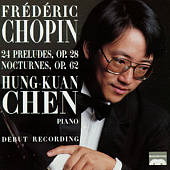

I saw this absolutely amazing post on the Musician's With Dystonia Bulletin Forum. It's a PDF file, but doesn't require downloading. Hung-Kuan Chen, a pianist, speaks about his personal challenges with dystonia over the years, and how he eventually overcame it. I know I posted this under Q&A/Interview's even though it's a document that he posted himself on the forum. I posted the link below.
He approaches it very intelligently, and describes in detail why he chose a certain way of approaching his symptoms, and how. With so much respect for this man for sharing his wisdom and journey, I wanted to share it with you, as I feel it can benefit many.
Link: Hung-Kuan Chen (Piano): on Overcoming Hand Dystonia
I especially relate to the issue of overcoming the opposing muscle groups. Even though embouchure dystonia is much less understand than hand dystonia, I still find it similar in more ways than we think. He speaks about how the muscles are fighting for dominance, as there are different signals being sent to the hand, and how these signals overlap and cause tension/the contractions. He also talks about finding the threshold.
I immediately thought of the threshold being similar to how I find what I call the "leverage" area (I spoke a lot about this in my blog titled "Natural Release". I find the leverage area by finding the middle ground between the signals. I feel like the primary/dominant signals that are overlapping in my playing are not that difficult to point out; I feel like one of the many yet very dominant signals is trying to relax my embouchure from tensing up too much - to collapse it, and another dominant signal is trying to form a natural stabilized/functional embouchure but fighting the collapsing by stretching out too far and tensing up, and I can't seem to get a grasp on either one. It's like working with stubborn tissue, and any movement or attempt to form an embouchure is like touching an electric fence...it immediately causes bursts of spasms. As soon as I found my leverage, the contractions gave way slowly over time.
I had to first reduce the overall contractions by finding ways to relax them through anything I found that helped; buzzing, stretching, certain patterns, playing in the pedal register, etc. It wasn't an automatic release of the tension, it was more similar to massaging a knotted muscle over a period of months before the first layer of the knot gave way to the second. I kept working on reducing the overall contractions to a point where I finally could regain a tiny bit of sense or grasp over certain notes (usually just the tops of notes at first/skimming the surface). Then those certain notes helped me find my leverage...an area where I had reduced contractions, but could still maneuver enough to work my way into other notes, then registers, then patterns, etc....by slowly returning to those key areas every day and just touching upon them lightly.
My best analogy is; pretend you are going to try to pull your arm towards you like you're lifting a small weight. You try to pull your arm towards you, but the opposing muscle contraction instead fights it and tries to pull it away from you. In order to overcome this, you can't force your arm to pull towards you, it will cause more fighting/tension/contractions. Instead, you have to gently test the contractions. You stretch your arm/muscles, try to relax it, soak it in warm water, whatever relaxes it before you start to work on these contractions. Then you slowly pull your arm towards you just a tiny bit, and once the contractions happen, you release your arm. You keep doing this, just slowly pulling your arm towards you at tiny increments over time....every time the contractions happen, you release your arm, and eventually over time the contractions lesson as your body realizes what you are asking it to do. Pretty soon you are able to pull your arm towards you with less tension..the opposing muscle movement isn't nearly as dominant, and then eventually the movement of "pulling" towards you becomes the dominant signal to your brain. But it also takes even longer to learn how to pull your arm towards you with added weight, so you also have to learn carefully how to add weight slowly without regaining/causing tension to build again and take over....the added weight can easily trigger the body to overlap signals again by sensing that what you are doing causes possible strain. So with all this said, this is why it takes so long, many months or years to overcome this. It's like re-wiring your body, or how Hung-Kuan says, trying to undo the cluster of knotted wires that you might see on a computer...they are all knotted and sending various signals...you have to undo each and every knot with gentle movement and patience.
I feel like I've had to slowly rebuild every aspect of my playing through awareness and patience, and calmly listening to what my embouchure/body was telling me. It takes a lot of focus to become aware and intune with your dysfunctional embouchure. I feel like I've had to go from completely deprogramming my embouchure to slowly rebuilding it by navigating every movement through patient awareness.
The best way I can describe it is: imagine if you had a repetitive injury in your leg from running; the injury was so severe you had to quit running. You had to take time off, and heal. But then when you returned to running, things weren't the same. Your muscles were stiff and not working properly. One might say that in order to avoid the injury, you need not run again, but you actually do, but not right away...you would have to first stretch the muscles, relax them, move in slow motions, and then slowly work on rebuilding muscle endurance, and not rush things. Eventually you would get to a point where you could start speed-walking, or light jogging, but with much more awareness of your body and knowing when to not rush things. You would do all of this in order to properly regain your abilities in your leg. You wouldn't just jump head first into running miles upon miles, and hit the gym for 3 hours doing weights and laps, or try to use your leg like it's 100% stable as before.
This is the same with my embouchure dystonia. I once thought like many brass musician's are taught... to approach it like a normal player...like I had normal function. A lot of brass players will tell me or point out to me, "Your chin seems to have some bunching....your corners seem to collapse...I think this can be resolved through good breath support/air, and holding a stable embouchure formation." Farkas definitely influenced the way we look(ed) at embouchure form and function, but the problem with his concept was that it was to generalized of a view. It's not our fault as students we were never prepared to understand embouchure form and function beyond a book and pictures...there isn't a lot of studies on it as there should be, but that's definitely changing today. I really like Dr. Wilketone's blog because he analysis embouchure form and function unlike anyone else, and dedicates his time to studying it in motion. He shows observations of many things we can't see in a picture, and the various differences between different embouchure types.
SO the problem with Farkas's concept is that (1) if one wants a stabilized embouchure or in better words ...a functional embouchure, practicing holding one compared to a picture of another's is not realistic in the sense that an embouchure does not develop that way. If you want to have healthy strong arms to row a boat, you don't just sit there and hold your arm in a flexed position.....muscles develop through motion, and naturally develop best with time, rather than force/strain, and MOST importantly, they learn to function in a specific way depending on what you are doing (our muscle memory helps us to remember to move in specific ways as we develop, and our sensory helps our brains recognize what it feels like to do it). Embouchures develop through motion. Here is the (2) second problem,...everyone's embouchure functions differently, and not all are the same. There are some similarities among players, but there are also many who function severely different due to their facial build/makeup. (3) Air does NOT help a dysfunctional embouchure, especially if dystonic, it can make it worse. Don't get me wrong, breathing is good (if it's used as a warm-up/to focus ones self, or in prep-work like buzzing if it doesn't cause too much tension), but it can only come in handy when a certain level of function has been restored.
For example; In the beginning when my symptoms were severe, practicing long-tones made things worse and were out the of the question. Long-tones take a certain amount of muscle control, endurance, and abilities restored. Over a year later now, I finally am at a safe enough level to work on long-tones, and this also includes air. The dysfunctional embouchure can't focus and air stream, so the more air you try to blow through, the more it tenses up because it can't handle it. BOTH can cause more tension or strain on the muscles in the beginning. Light relaxed air via nose breaths or light intakes, combined with air-attacks/poofing in short durations was much safer and effective over a long period of time.
You can not approach a dysfunctional embouchure with such generalizations as "use more air", "work on holding that chin flat," "we must stop the movement in your face." Healthy normal embouchures take a while to develop over time, but dysfunctional ones take even longer to restore, and can be trickier, due to the fact that the pathway to recovery is not so simply summed up. The dysfunctional embouchure needs extra awareness, care, patience, and most of all TIME. It's not something you can develop through "lessons" every week....lessons require set goals, practice routines, pieces of music, technique-focus, and work/effort. Dysfunctional embouchures need to take it easy, they shouldn't play all the time, or every week, or have set requirements...they have a pathway to recovery of their own, and the only person best at understanding that pathway is usually the player themselves, as they can "feel" what's going on that no outsider can understand easily. That is why some injured/disordered/debilitated musician's chose not to work with anyone, or to not work with someone who hasn't ever been through the same thing.
Anywhoo, I'm rambling about my own experiences again! I wanted to explain how I related. The opposing muscle groups, the individual challenges/personalized process, and some areas/generalizations/techniques that cause more harm than help.
I hope you enjoy his article! It is truly amazing!!!
Tuesday, August 7, 2012
List of Practitioners

I wanted to write out a list of practitioners so that it may become a helpful resource to others who come across the blog. It's very important to know that they do not diagnose musician's with FTSED (except Dr. Frucht who is a neurologist listed on here, and Dr. Mcgrail a surgeon who has worked on muscle tears) or injuries, but primarily help as far as retraining and recovery after diagnosis. Musicians who have embouchure dystonia or other embouchure problems/injuries don't have nearly as many direct resources as hand dystonia musicians do when it comes to seeking out someone to help guide them throughout the rehabilitation process. (If you are a person who has been diagnosed with hand dystonia and is looking for rehabilitators who specifically focus on hand dystonia recovery, please contact: Jerald Harscher. His website The Poised Guitarist can be found here: http://thepoisedguitarist.com/. He is a wonderful person and guitarist who has helped many musicians with hand dystonia.)
I will have to come back and edit this....but I'll try to leave a brief description of the person/method when can, but don't want to go into too much detail, because it would be best to contact them and ask any questions about the help they can offer you; I can not do them justice. I am glad to see so many professional musicians that have aided those who have faced this disorder, or who can lend support to those who are having setbacks due to injuries or embouchure problems.
I wanted to start off with brass playing practitioners first. Though that's not to say they limit themselves to helping just brass players with FTSED, when many of them assist other types of instrumentalists too.
I'll start off with a list of the most recognized for their work with FTSED.
I also added some people who can provide more information on dystonia or other injuries, or point you in the right direction as far as finding a professional to properly diagnose you. Again, I'll come back and edit this...
For more information on common medical treatments for dystonia, please check out the DMRF page here: Dystonia Treatment Questions by DMRF
Jan Kagarice - Adjunct Professor of Trombone, University of North Texas
Jan uses a more holistic approach, one that addresses the overall well-being of the musician and covers many areas; physical, mental, emotional, psychological, brain pathways, etc. She has helped many types of instrumentalist, as well various embouchure problems and FTSED. She is very sought after, as she has a unique ability to help players who are experiencing performance difficulties. She attributes this to a combination of factors: her Montessori teaching experience, her study with Arnold Jacobs and her own struggle with neuromuscular disease. Jan currently serves as the chair of the International Trombone Association’s Committee on Focal Task Specific Dystonia and is an artist/clinician for the Conn-Selmer Instrument Company.
David Vining - Professor of Trombone, Northern Arizona University
David has successfully recovered from FTSED. He uses a more holistic approach I think, but has a lot of knowledge on brain/body-mapping, and addressing not only tension in the embouchure, but your body as a whole.
Laurie Frink - Trumpet Faculty, NYU Steinhardt ....Unfortunately Laurie passed away this year. We have lost a significant musician and person in this world. I will leave her information on here because it is still helpful to others and her work deserves to be recognized.
Laurie has been highly trained in Carmen Caruso Method, and does a lot of work involving calisthentics - preparing the body to play music. Focusing more on the process of developing into a musician through the act of making music vs. the act of just executing music. Rather than achieving set standards within a time limit or forcing improvement, she has a broader/well-rounded view on the overall development of a musician and preparing the body. She has helped many brass players with embouchure problems recover. Laurie and John McNeil wrote a calisthentic exercise book for trumpet called Flexus.
Janine Gaboury-sly - Associate Professor of Horn, Michigan State University. Has recovered from FTSED. She had also tried medication like Artane in the past too, but not sure if it helped in her recovery. She is a former student of Verne Reynolds. You can find her contact information here: https://www.msu.edu/~olsonc/JanineGaboury-Sly.html ....her colleague, trombonist Curtis Olsen who is also a professor of music at Michigan State had lost his ability to play due to embouchure dystonia, though I'm not sure if he made a full recovery.
Dr. Peter Iltis - Professor of Kinesiology and Horn at Gordon College. Has FTSED, and made significant progress in overcoming it. He has published articles in the Horn Call over dystonia, as well he has some videos over dystonia which explain the neurology involved more in detail. If you click his name, the link leads you to a review of his video on Horn Matters Blog and another link to one of his videos.
Glen Estrin - Founder of Musicians with Dystonia through the Dystonia Medical Research Foundation
He has done the most outstanding work with the DMRF, being able to give musician's a place to go for guidance/direction, knowledge, support, and help with FTSED/FTSHD.
Dr. Frucht is a neurologist at the Columbia Presbyterian Medical Center, and has diagnosed many musicians with dystonia. He is also the co-founder of Musicians with Dystonia.
Lucinda Lewis - Principal Horn, New Jersey Symphony, and author of "Broken Embouchures," "Embouchure Rehabilitation," and her site dedicated to embouchure injuries: Embouchure.com. She is well known for her blocked-buzzing technique and exercises that she used to rehabilitate herself, and for her knowledge on different types of embouchure injuries. She studied at the Manhattan School of Music with Clarendon Van Norman, principal horn of the Metropolitan Opera Orchestra, and earned bachelor’s and master’s degrees in Music Performance. Lewis has served as principal horn of the Brooklyn Symphony, Chamber Opera Theatre in New York City, summer Chautauqua Festival Orchestra, Jerusalem Symphony, Israel Chamber Orchestra and Israel Philharmonic; she was appointed principal horn of the NJSO in 1977. She has been a soloist with the Brooklyn Symphony, Jerusalem Symphony and NJSO. Lewis has taught at the Rubin Academy in Jerusalem, Israel and Princeton University. She has been an officer and governing board member of the International Conference of Symphony and Opera Musicians since 1990.
Thomas Wilson - Trumpeter and conductor in Colorado Springs has helped some of my friends with embouchure problems and FTSED symptoms as well. Thomas Wilson is currently Music Director of the Chamber Orchestra of the Springs, Associate Conductor of the Colorado Springs Philharmonic, Cover Conductor for the New-York based pops show Symphonic Night at the Oscars, serves on the music faculties at Colorado College and the Colorado Springs Conservatory, and maintains an active guest conducting schedule. Mr. Wilson previously conducted for the Colorado Springs Youth Symphony program and founded the Young Concert Artists of Colorado Springs.Winner of international recognition as a trumpeter, Mr. Wilson has extensive experience performing, touring, and recording with orchestras, ensembles, and artists. He is one of only three trumpeters ever selected as a finalist for both the International Trumpet Guild Orchestral and Solo Performance Competitions in the same year. Thomas’ compositions and arrangements have been performed widely in the United States, Europe and Japan.
Dr. Seth Fletcher - Senior
Lecturer in Music, serves on the faculty at the University of Nebraska at
Kearney where he teaches private low brass. Seth’s doctoral research regarding
focal task-specific embouchure dystonia presented a comprehensive literature
review and detailed case study, laying the groundwork for the further
development of healthy pedagogical methods and philosophies.
Denver Dill - recently published his book over recovery from a muscle tear and surgery called Still Playing: My Journey Through Embouchure Surgery and Rehabilitation. Staff Sergeant Denver Dill, a bugler in the Hellcats, holds a Master of Music from the Juilliard School and was a doctoral candidate at the Eastman School of Music. Denver has risen to the highest level of trumpet playing, all the while battling the effects of a debilitating lip injury. While in high school, Denver began experiencing herniation, stretching and tearing of the obicularis oris, known to brass players as “broken embouchure.” Denver describes his complications as, "blood was coming out the end of my horn." After the acute injury healed, Denver resumed playing the trumpet, placing his mouthpiece slightly off to one side of his mouth. Throughout his undergraduate education, the center of his embouchure moved further and further away from the center of his lips. Denver compensated for the injury extremely well, not only winning several international trumpet competitions, but winning a position in the West Point Band. Over time, effects from the old injury began to hamper Denver's playing in ways for which he could no longer compensate. He went to West Point’s Keller Army Community Hospital and spoke with plastic surgeon and Deputy Commander of Clinical Services, Colonel Andrew Friedman, who was instrumental in enabling Denver to see the specialist Dr. Simon McGrail of the Scollard Clinic in Toronto, Canada. While Dr. McGrail conducted Denver’s surgery, West Point’s Dr. Friedman also accompanied Denver in the operating room to observe the intricate procedure. In fact, Dr. Friedman is now the only surgeron in the Armed Forces to offer the operation to other musicians in the military. In 2008, the New York Philharmonic celebrated twentieth-century composer Luciano Berio with several performances of his works, to include "Day of Berio" on February 2nd. Musicians from the New York Philharmonic performed all fourteen of Berio's Sequenzas. The fourteen Sequenzas are a series of virtuosic solo pieces. Sequenza X is for solo trumpet and piano resonance. The piano is played silently and certain strings are allowed to resonate when the trumpet plays loudly into the strings. Sequenza X makes ample use of extended techniques for the trumpet. Valve shakes, flutter tonguing, valve tremolos, hand stops and many other techniques are employed to get the widest possible array of timbres from the instrument. Sequenza X is over fourteen minutes in length and is one of the most physically taxing pieces in the trumpet repertoire. The Philharmonic's principal trumpet player, Phil Smith, asked Denver if he would join other principal players of the New York Philharmonic to perform the work as a part of its “Day of Berio.” Denver was able to accept the invitation because the surgery to repair his embouchure was a complete success. While the recovery was long, Denver says he is no longer hampered by the effects of the injury and is able to advance as a trumpet player both technically and musically....
...another trumpeter who has undergone surgery for a muscle tear is Brad Goode, a jazz trumpet player who resides in Colorado. He also went to Dr. J Simon Mcgrail for surgery. I have a couple links on the sidebar over lip surgery done by Dr. Mcgrail.
Contact
Information for Dr. Mcgrail: 91 Scollard Street, Toronto, on M5R1G4- Phone:
(416) 926-7767. The esteemed Dr. Simon McGrail had been a pioneer in the field
of facial cosmetic and reconstructive surgery for over 30 years. He has led the
field in pioneering new surgical techniques, and is currently one of the only
surgeons in the world that perform a specific reconstructive lip repair
procedure. Dr. McGrail, brings his vast experience and tremendous surgical
skills and passion for his work to the Scollard clinic. He was trained as a
physician in Manchester, England, He completed Specialty and fellowship work in
Otorhinolaryngology at the University at the University at Wayne County
Hospital in Michigan. He completed further training in Facial Reconstructive
Surgery along with exhaustive clinical research in areas ranging from Carcinoma
of the nasal vestibule, Angeodema of the larynx and Orbital complications and
Pathology. Because of his tremendous training and qualifications, Dr McGrail,
was appointed Professor of Otolaryngology at the University of Toronto and
subsequent Chief at the Wellesley Hospital. His specialty training and interest
in Facial Cosmetic and Reconstructive surgery has put Dr. McGrail at the
forefront of his field and led to such positions as: Physician to the Toronto
Maple Leafs, Physician to Team Canada Hockey at the World Championships, and
Founding Member of The Canadian Institute for Facial Plastic and Surgery, and
Founding Member of The American Academy of Facial Plastic and Reconstructive
Surgery. He has been consulted by numerous celebrities and people in the
entertainment industry for his specialty knowledge in the area of vocal
pathologies and surgical lip repair, namely Frank Sinatra, Phil Collins, tom
Jones, Tony Bennett, Luciano Pavarotti, Placido Domingo, and Jim Cuddy of Blue
Rodeo along with theatrical singers from various productions including the Lion
King, The Phantom of the opera and the Canadian Opera Company. He is the
leading authority on lip injuries in brass players. Not sure if this is his
current contact info. I'm told that he is now in semi-retirement, in his office
a few days a month.
Subscribe to:
Posts (Atom)